Page 16 - Explore More React Libraries
Welcome to page 16 of our extensive collection of articles on innovative React libraries. Here, you'll find a curated selection of resources designed to enhance your development experience. Dive into the latest tools and insights that can elevate your React projects to new heights.
-
react-native-boost: The One-Line Performance Hack Your App Deserves

11 views
What if you could speed up your React Native app by up to 50% without touching your codebase? Meet react-native-boost, the Babel plugin that does the heavy lifting at build time.
-
Hey API: Your OpenAPI Spec Just Wrote Your Entire Frontend Client
9 views
Stop writing fetch wrappers by hand. Let your OpenAPI spec do the heavy lifting.
-
react-native-enriched-markdown: Markdown Rendering Without the WebView Tax
22 views
Render Markdown as truly native text in React Native, with a C-powered parser and zero WebView overhead.
-
Yoopta Editor: Build Your Own Notion in React
7 views
A headless, plugin-powered block editor for React that brings Notion-style editing to your app with minimal fuss.
-
Maizzle: Tailwind CSS Meets the Email Inbox

4 views
A framework that lets you build beautiful HTML emails with Tailwind CSS while it handles the ugly parts automatically.
-
Slowmo: The Browser Time Bender You Didn't Know You Needed
4 views
One function call to rule all animations. Time itself bows to your debugger.
-
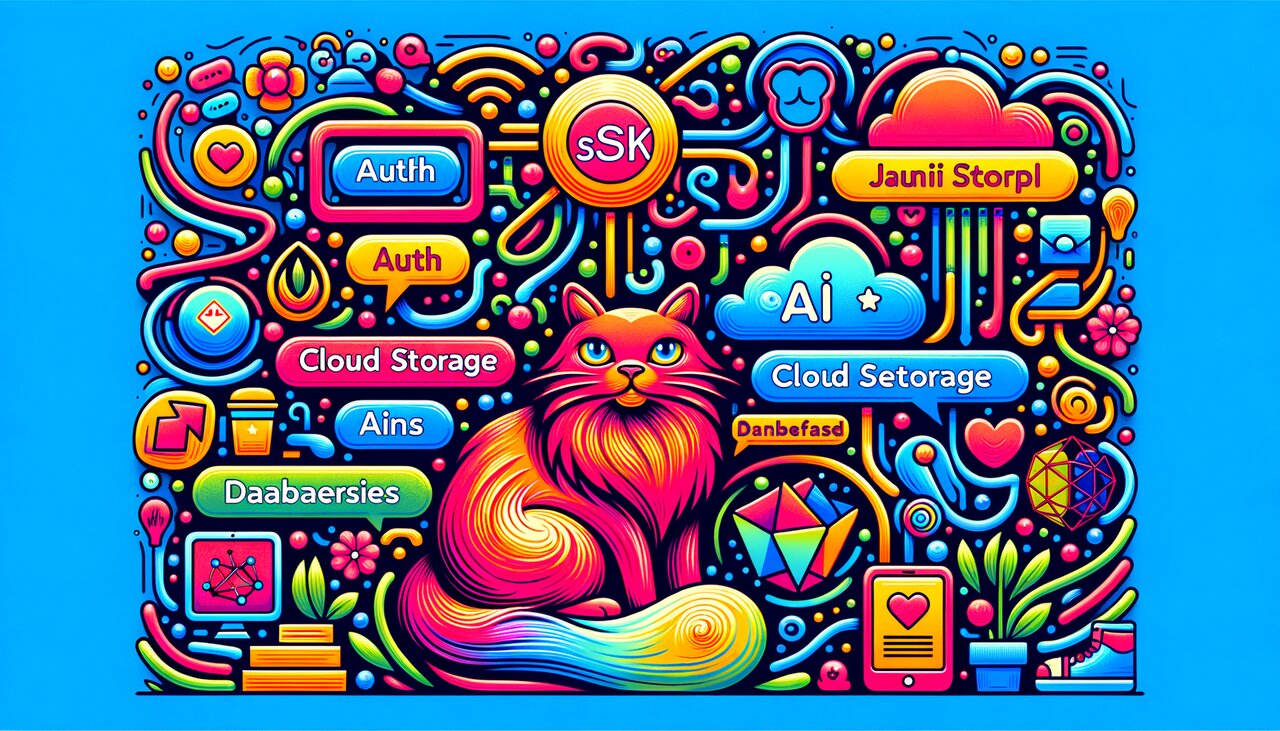
Puter.js: The SDK That Ate Your Backend and Liked It
17 views
What if you could build an app with authentication, cloud file storage, a database, and access to GPT, Claude, and Gemini -- all from a single frontend import with no API keys, no server, and no bill? Puter.js makes that pitch and somehow delivers on it.
-
Feedsmith: The Swiss Army Knife of Feed Parsing and Generation
8 views
Parse and generate every feed format under the sun with one lightning-fast library.
-
SonicJS: The Headless CMS That Lives on the Edge
10 views
A headless CMS that runs at the edge, delivering content in milliseconds from Cloudflare Workers worldwide.
-
Midscene.js: The AI That Sees Your UI and Clicks for You
39 views
What if your test scripts could just look at the screen and figure things out, the way a human would?